
Gold ETFs attract $50B inflow in H1: Why are investors flocking in?
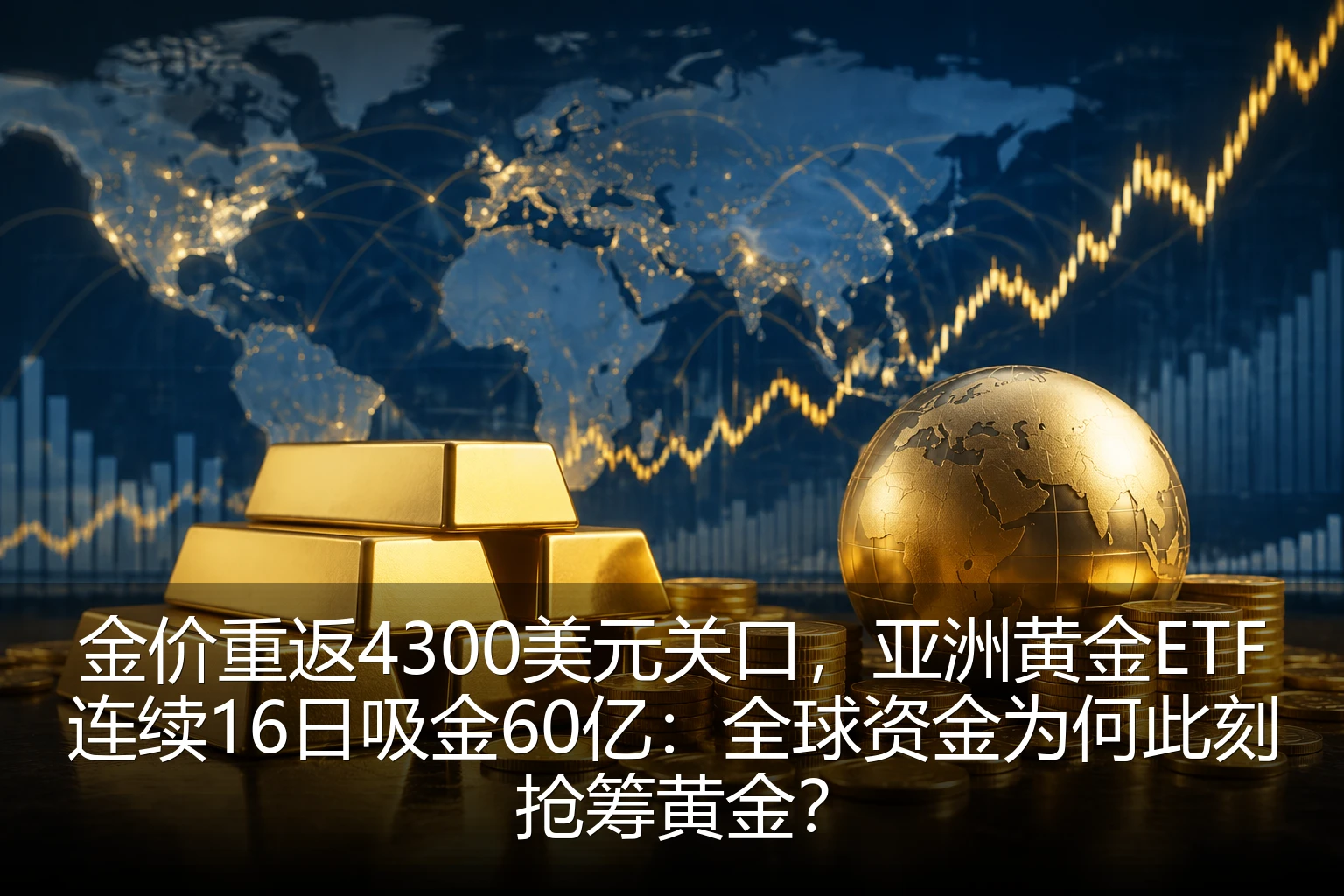
July 28, 2026 — According to the latest report from the World Gold Council, global gold ETF net inflows reached a staggering $50 billion in the first half of 2026, surpassing the previous record set in the same period of 2020 and marking a milestone for gold investment. Behind this data, investors' strong appetite for gold assets amid the complex economic environment is evident.
Key highlights: North America and Asia lead
The report noted that total gold ETF holdings rose by approximately 320 tons in H1, with North America contributing about $28 billion in net inflows, followed by Asia with about $15 billion. Europe was relatively moderate with around $7 billion. Notably, gold ETF products in China and India performed exceptionally well, with combined net inflows exceeding $10 billion, reflecting the growing preference for gold among emerging market investors.
Reason 1: Geopolitical uncertainty fuels safe-haven demand
In H1 2026, the global geopolitical landscape remained volatile. The prolonged Russia-Ukraine conflict, recurring tensions in the Middle East, and heightened tensions in East Asia have sharply increased demand for safe assets. Gold, as a traditional safe haven, offers quick and low-cost allocation via ETFs, thus attracting both institutional and individual investors. Analysts point out that ETF liquidity advantages allow capital to flow flexibly, adapting to the current high-volatility environment.
Reason 2: High inflation expectations and divergent central bank policies
Although the Fed began cutting rates in late 2025, core inflation still hovers around 3.5%, well above the 2% target. The ECB maintains a tight stance while the BOJ shifts toward normalization. Policy divergence creates a complex global interest rate environment, with real rates negative in some regions, highlighting gold's value preservation function. Investors use gold ETFs to hedge against purchasing power erosion, especially long-term investors who view gold as "ultimate money."
Reason 3: Digital platforms lower investment barriers
In 2026, the proliferation of digital gold trading platforms has greatly lowered the entry threshold for individual investors to access gold ETFs. Many fintech companies have launched zero-commission, fractional gold ETF products, allowing investments starting as low as $10. This has attracted a large number of young investors, particularly Millennials and Gen Z. Data shows that gold ETF investors aged 18-34 increased 40% year-on-year, as they prefer managing portfolios via mobile apps, and the convenience of gold ETFs perfectly fits this habit.
Industry expert insights
John Reade, Chief Market Strategist at the World Gold Council, said: "The record inflows into gold ETFs in H1 show that investors are viewing gold as a strategic asset rather than a short-term trading tool. Global economic uncertainty, rising debt levels, and expectations of monetary system reform are all driving capital into gold." He added that the rise of Asian markets is reshaping the global gold investment landscape.
J.P. Morgan precious metals analysts warned that short-term gold ETF inflows might face profit-taking pressure, but long-term structural demand remains robust. They suggest investors monitor Fed policy paths and geopolitical developments in H2 to adjust gold allocation ratios.
Outlook: Diversification trend in gold investment
Looking ahead to H2 2026, multiple investment banks expect gold ETFs to continue attracting net inflows. Goldman Sachs raised its year-end gold target to $2,800/oz in its latest report, citing sustained central bank gold purchases and strong private investor demand. Meanwhile, some capital is shifting from physical gold bars to ETFs for better tax efficiency and management convenience.
However, risks remain. If the global economy unexpectedly accelerates, risk appetite could divert funds from gold. Also, a stable cryptocurrency market may compete with gold. But overall, gold ETFs' record-breaking H1 has revealed a trend: in times of uncertainty, investors are voting with real money for gold's safe-haven status.