In-depth Analysis of Gold and Silver Pricing Logic: The Rise of the Asian Market in 2026 and the Reshaping of the Global Landscape
In the precious metals market of 2026, the pricing logic for gold and silver is undergoing profound changes. As the global financial landscape evolves and Asian economic power rises, traditional pricing mechanisms are being redefined. This article will delve into the core logic of gold and silver pricing, analyze key factors affecting prices, and look ahead to future market trends.
1. Basic Logic and Mechanisms of Gold and Silver Pricing
As precious metals, gold and silver have complex and diverse pricing logic, influenced by both financial and commodity attributes. In terms of financial attributes, they are regarded as safe-haven assets and inflation hedges, with prices closely related to global macroeconomic environments, monetary policies, and geopolitical risks. In terms of commodity attributes, industrial and jewelry demand for gold and silver also significantly impact their prices.
Traditionally, gold and silver pricing are mainly driven by the following factors:
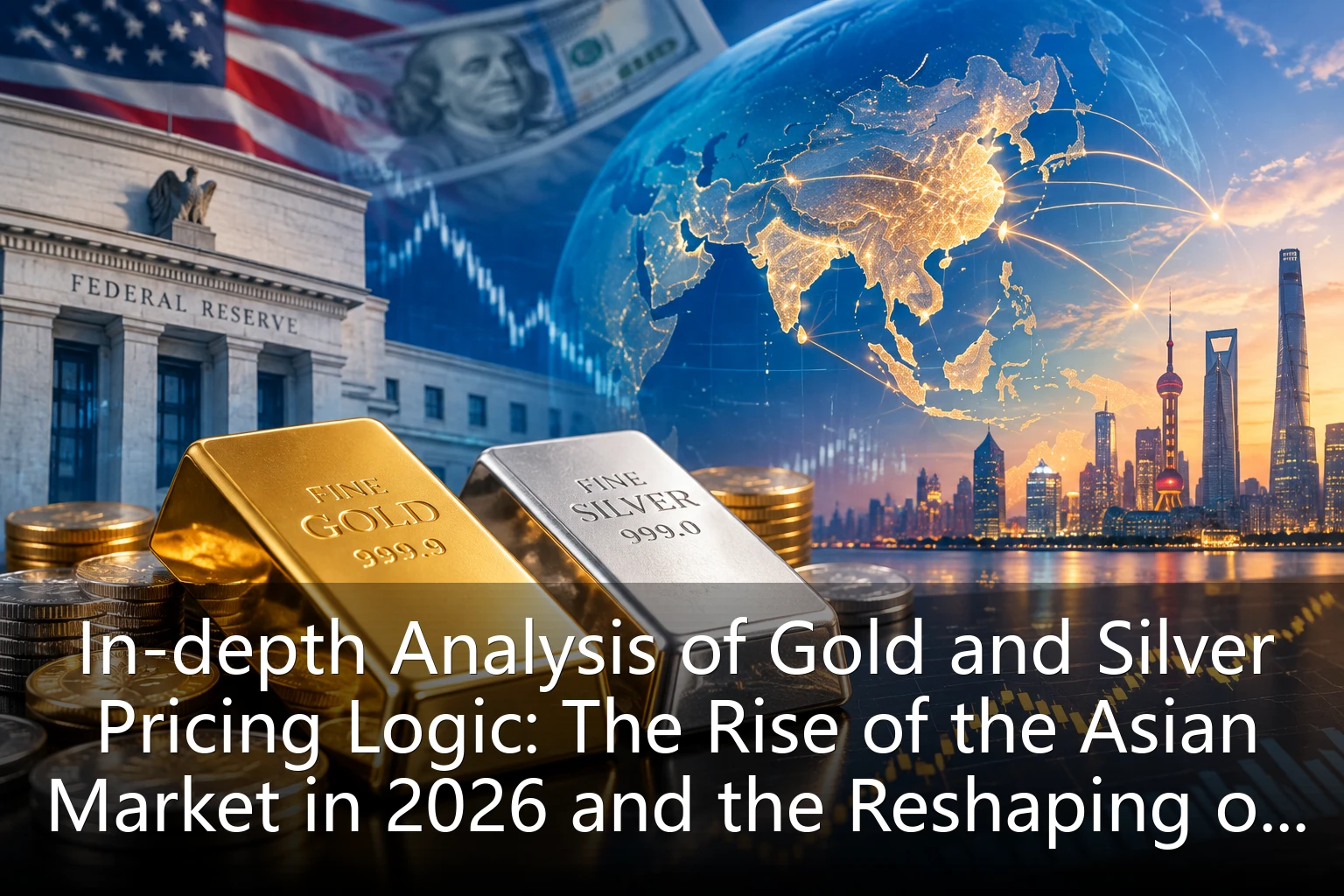
- US Dollar Index: As the world's primary reserve currency, the strength of the US dollar directly affects gold and silver prices. Typically, a strong dollar suppresses their prices, while a weak dollar supports them.
- Federal Reserve Interest Rate Policy: Interest rate levels affect the opportunity cost of holding gold and silver. Rising rates usually suppress demand, while falling rates stimulate demand.
- Inflation Expectations: Gold and silver are seen as inflation hedges; rising inflation expectations usually push up their prices.
- Geopolitical Risks: Geopolitical tensions increase the safe-haven demand for gold and silver, thereby pushing up prices.
- Central Bank Gold Purchase Behavior: The gold reserve policies of various central banks directly impact market supply and demand.
2. Key Factors Affecting Gold and Silver Pricing in 2026
1. The Turning Point of Federal Reserve Interest Rate Policy
In 2026, the Federal Reserve's monetary policy is at a critical turning point. After years of rate hikes, the Fed is considering rate cuts to address economic slowdown pressures. This policy shift has a profound impact on the gold and silver markets. Rate cut expectations enhance the appeal of gold and silver, as the opportunity cost of holding them decreases, while inflation expectations may rise.
However, the Fed's decisions are not straightforward. Fluctuations in inflation data, employment market performance, and uncertainties in global economic growth make the Fed's rate path full of variables. This uncertainty brings volatility to the gold and silver markets but also provides opportunities for investors.
2. Fluctuations and Reset of the US Dollar Index
In 2026, the US Dollar Index experienced significant fluctuations. On one hand, the relatively strong performance of the US economy compared to other major economies supported the dollar; on the other hand, the global de-dollarization trend and geopolitical factors put pressure on the dollar. The fluctuations of the US Dollar Index directly affect gold and silver prices, providing trading opportunities for investors.
Notably, efforts by Asian economies to promote currency diversification are gradually changing the global currency landscape. This change may weaken the dollar's hegemonic position, thus supporting gold and silver prices in the long run.
3. Acceleration of the Global Central Bank Gold Purchase Trend
In 2026, the global central bank gold purchase trend reached a new high. Especially Asian central banks, whose gold purchases increased significantly, became the main driver of global gold reserve growth. This trend reflects central banks' pursuit of diversified reserve assets and a re-evaluation of the dollar-dominated monetary system.
The gold purchase behavior of Asian central banks not only changed the supply and demand pattern of the global gold market but also enhanced Asia's voice in gold and silver pricing. As the share of Asian gold reserves rises, Asia's influence on global gold and silver prices is growing.
4. Geopolitical Risks and Safe-Haven Demand
In 2026, geopolitical risks persist, including regional conflicts, trade frictions, and energy security issues. These risks increase the safe-haven demand for gold and silver, supporting their prices. Particularly in Asia, geopolitical tensions have a significant impact on the gold and silver markets.
The uncertainty of geopolitical risks makes gold and silver important safe-haven tools for investors. However, this safe-haven demand also brings market volatility, and investors need to carefully assess risks and returns.
3. The Rise of the Asian Market in Gold and Silver Pricing
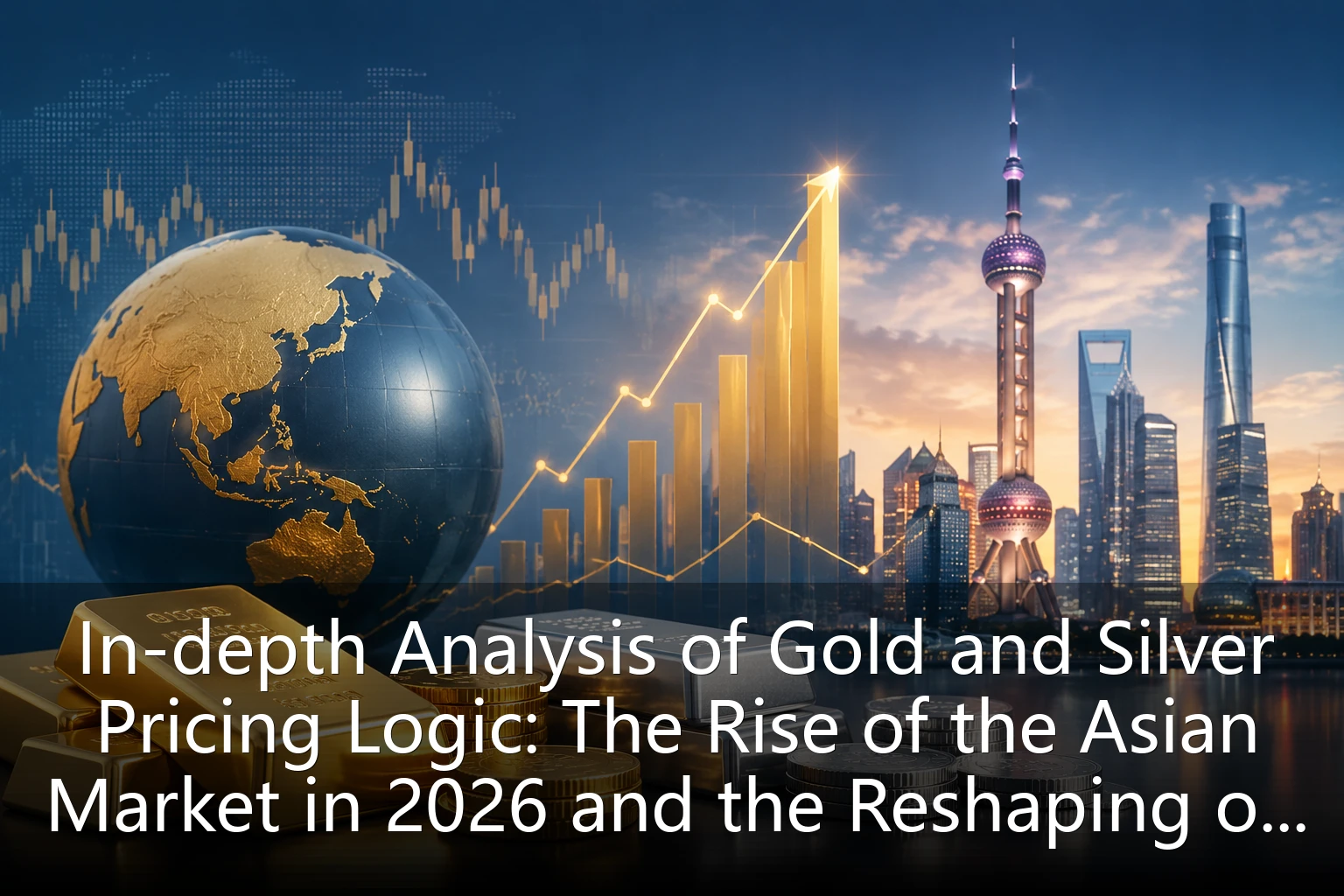
In 2026, the role of the Asian market in gold and silver pricing has changed significantly. With the enhancement of Asian economic strength and the maturity of financial markets, Asia has become an important participant in the global gold and silver market.
First, the gold purchase behavior of Asian central banks has changed the pattern of global gold reserves. The share of gold reserves held by Asian central banks continues to rise, becoming a major source of demand in the global gold market. This change enhances Asia's voice in gold and silver pricing.
Second, physical gold demand in Asia remains strong. Although the development of digital currencies and electronic payments has changed payment methods, Asian consumers' preference for physical gold still exists. This demand supports gold and silver prices and affects the supply-demand balance of the global market.
Additionally, the development of Asian financial markets has provided new mechanisms for gold and silver pricing. The rise of Asian markets such as the Shanghai Gold Exchange and the Tokyo Commodity Exchange offers diversified platforms for global gold and silver pricing. The development of these markets promotes the transparency and liquidity of gold and silver prices and provides more trading opportunities for investors.
4. Investment Strategy Recommendations for Gold and Silver in the Current Market Environment
In the 2026 market environment, investors need to adopt diversified strategies to cope with changes in the gold and silver markets. Here are some key investment recommendations:
1. Pay Attention to the Federal Reserve's Policy Shift
The Federal Reserve's interest rate policy is a key factor affecting gold and silver prices. Investors should closely monitor the Fed's decisions, especially rate cut expectations and actual rate cut actions. During a rate cut cycle, gold and silver usually perform well, and investors can consider increasing their allocation to them.
2. Diversify Investments to Reduce Risk
The gold and silver markets are volatile, and investors should adopt a diversification strategy to reduce the risk of a single asset. They can consider allocating to both gold and silver, as well as related ETFs and mining stocks, to achieve risk diversification.
3. Focus on Opportunities in the Asian Market
The rise of the Asian market in gold and silver pricing provides new opportunities for investors. Investors can focus on Asian gold ETFs, mining companies, and related financial products to capture the growth dividends of the Asian market.
4. Assess Geopolitical Risks
Geopolitical risks are an important factor affecting gold and silver prices. Investors should closely monitor global geopolitical developments, assess their impact on the gold and silver markets, and adjust their investment strategies accordingly.
5. Long-Term Perspective, Avoid Short-Term Fluctuations
The gold and silver markets have short-term fluctuations, but the long-term trend is still upward. Investors should adopt a long-term perspective, avoid being influenced by short-term fluctuations, and stick to long-term investment strategies.
5. Conclusion
In 2026, the logic of gold and silver pricing is undergoing profound changes. With the rise of the Asian market and the evolution of the global financial landscape, traditional pricing mechanisms are being redefined. Investors need to adapt to these changes and adopt diversified strategies to capture investment opportunities in the gold and silver markets.
In the future, the gold and silver markets will continue to be affected by factors such as the Federal Reserve's policy, the US Dollar Index, central bank gold purchases, and geopolitical risks. However, the rise of the Asian market will bring new momentum to gold and silver pricing, providing more opportunities for investors. By deeply understanding the logic of gold and silver pricing, investors can better grasp market trends and achieve long-term investment goals.